Learn about Tylactin®
Cambrooke’s Story
Founded in 2000 by Lynn and David Paolella, Cambrooke was born out of a personal need. As parents of two children diagnosed with phenylketonuria (PKU), Cameron and Brooke, they struggled to provide nutritious and satisfying low protein meals. Their mission was to create better nutritional options for people with chronic medical conditions, focusing on low protein foods and medical formulas for inborn errors of metabolism.
Today, Cambrooke continues to improve lives with innovative solutions like Tylactin formulas, the first Glycomacropeptide (GMP) based formulas for the dietary management of people with Tyrosinemia.
What are Tyrosinemia medical formulas?
People with Tyrosinemia need medical formulas with low or no tyrosine and phenylalanine to meet their nutritional needs. There are two main types of formula:

Amino Acid-Based

GMP-Based
These formulas often contain other nutrients such as carbohydrates, fat, vitamins, minerals and trace elements.


What is Tylactin?
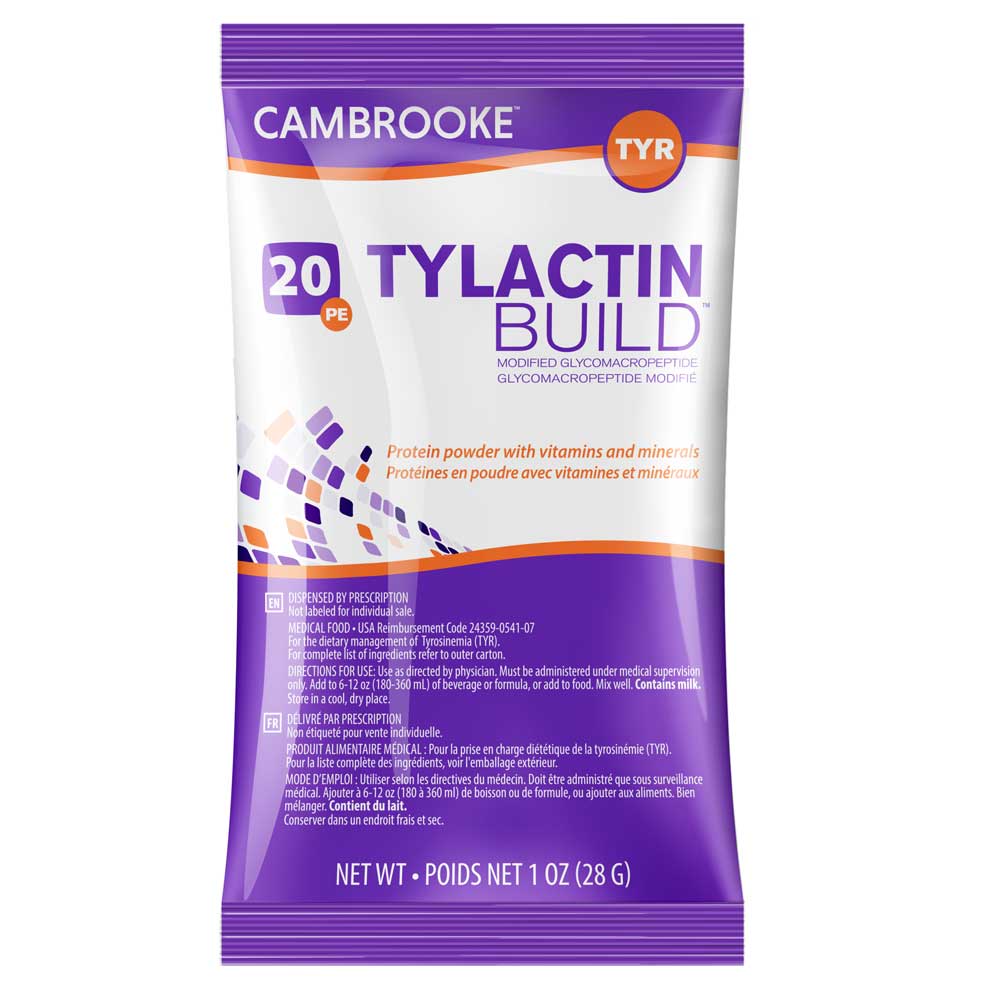
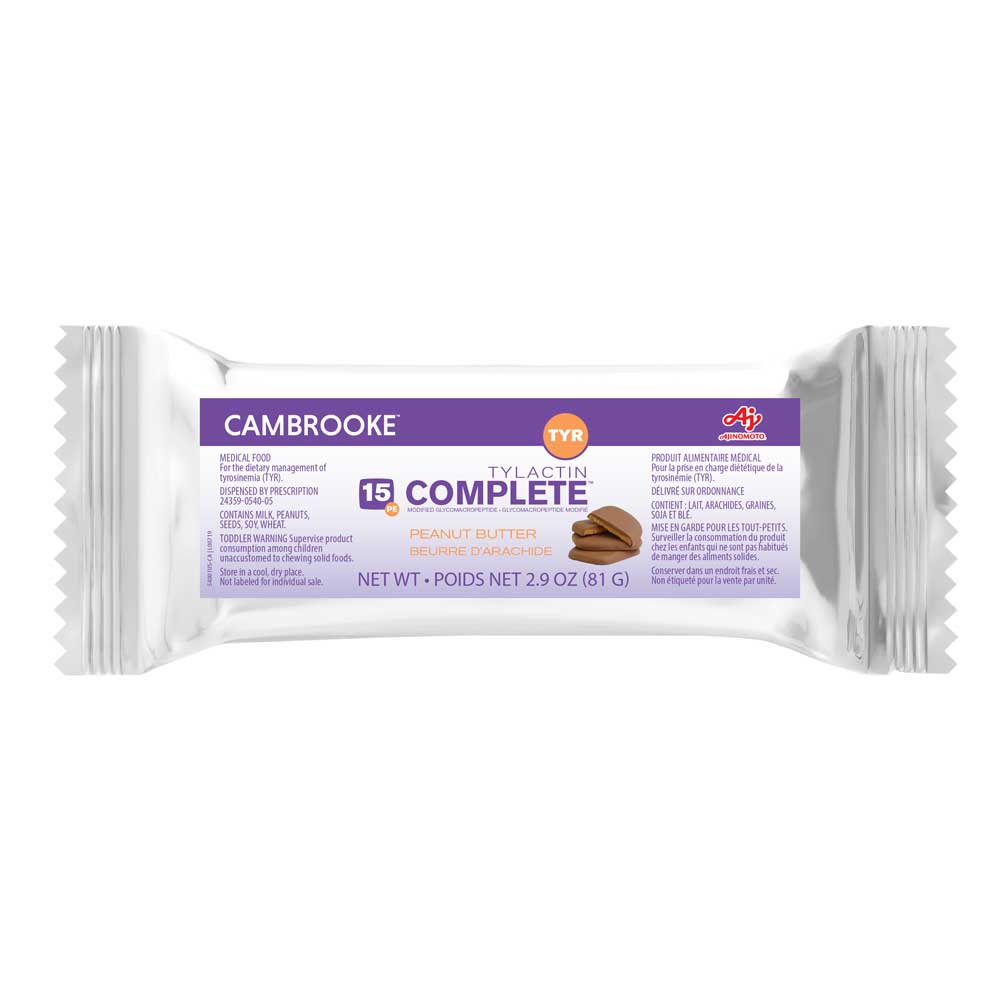
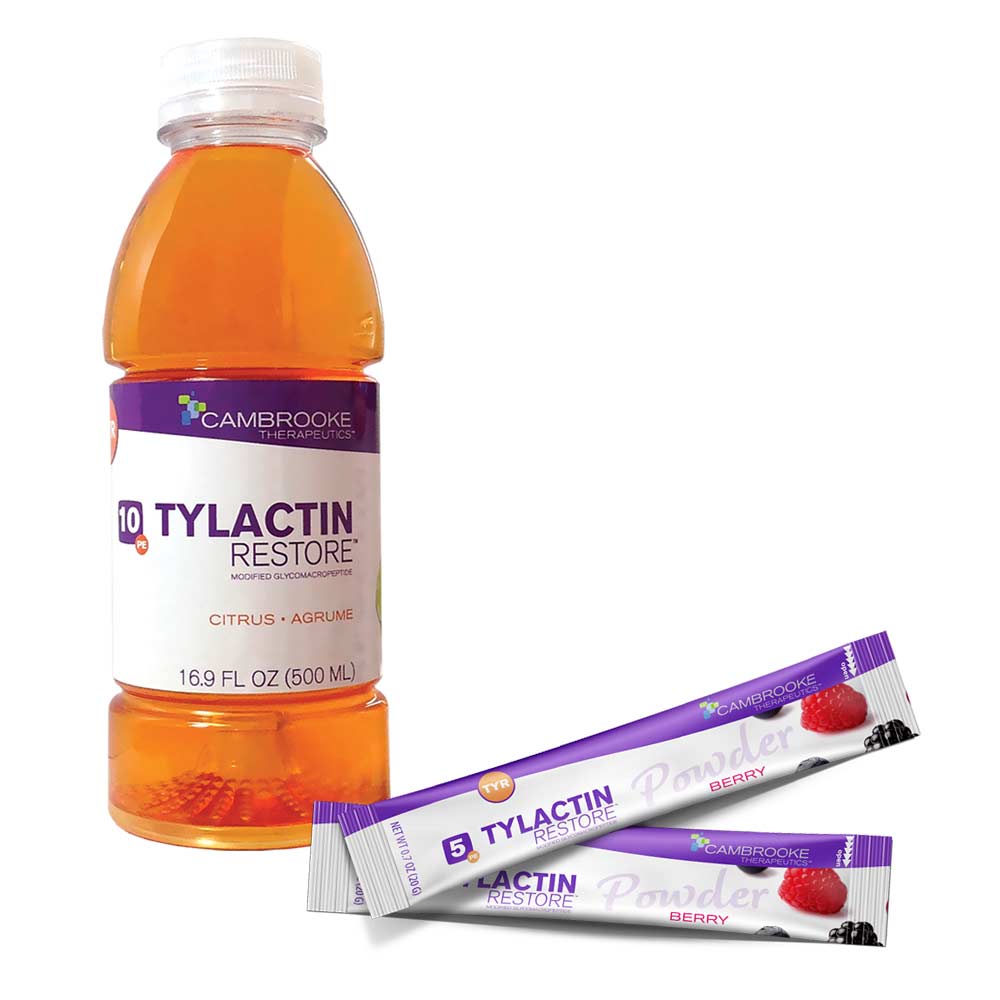
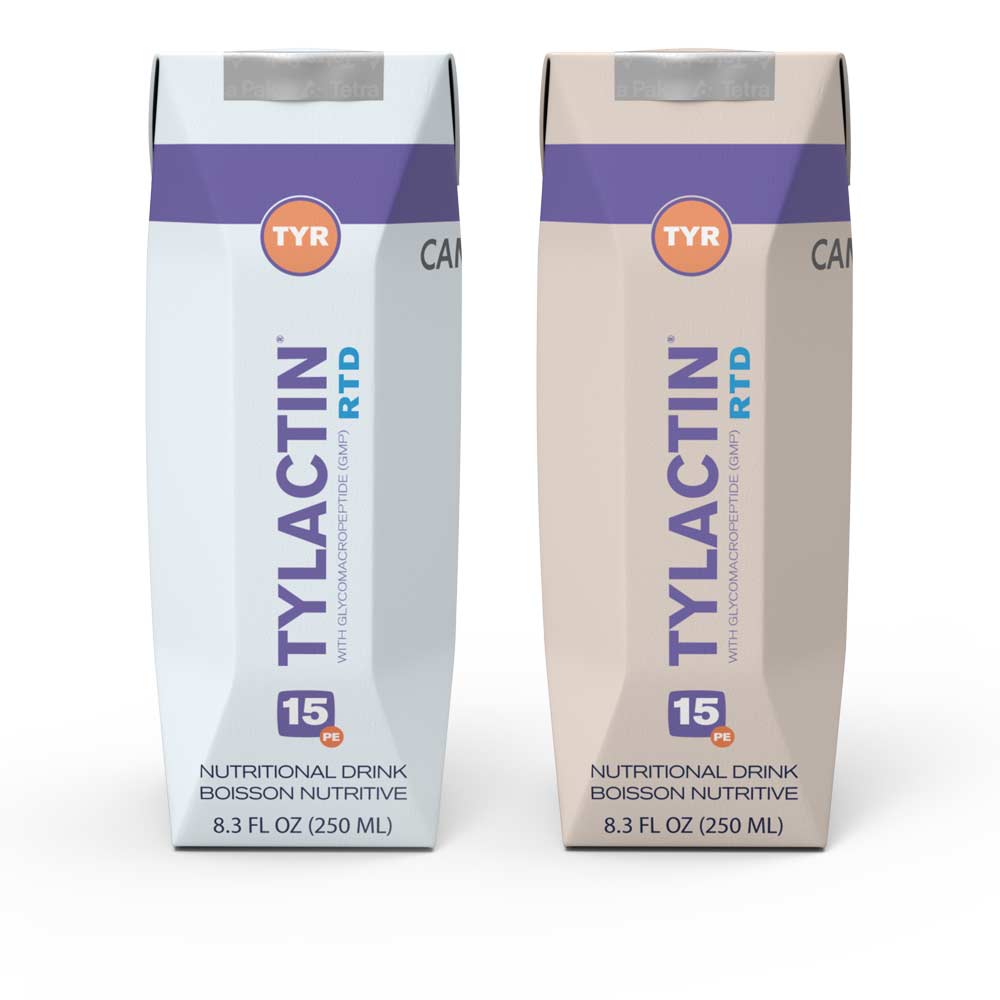
Tylactin is Cambrooke’s GMP-based forumla designed to support Tyrosinemia nutritional needs.
Learn more about our Tylactin formulas:
What are proteins, peptides and amino acids?

Protein: A nutrient made of long chains of amino acids, including tyrosine.

Peptides: Short chains of amino acids (smaller versions of protein), with a taste profile different from whole proteins. GMP is a peptide.

Amino Acids: The building blocks of protein. There are 20 amino acids, 9 of which are essential and must be obtained from food. They can taste bitter, sweet, savory, or neutral.
What is GMP?
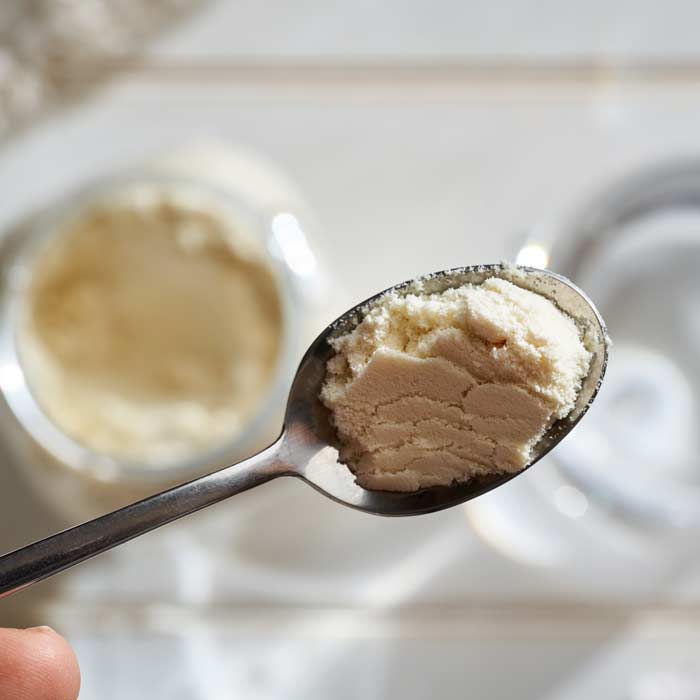
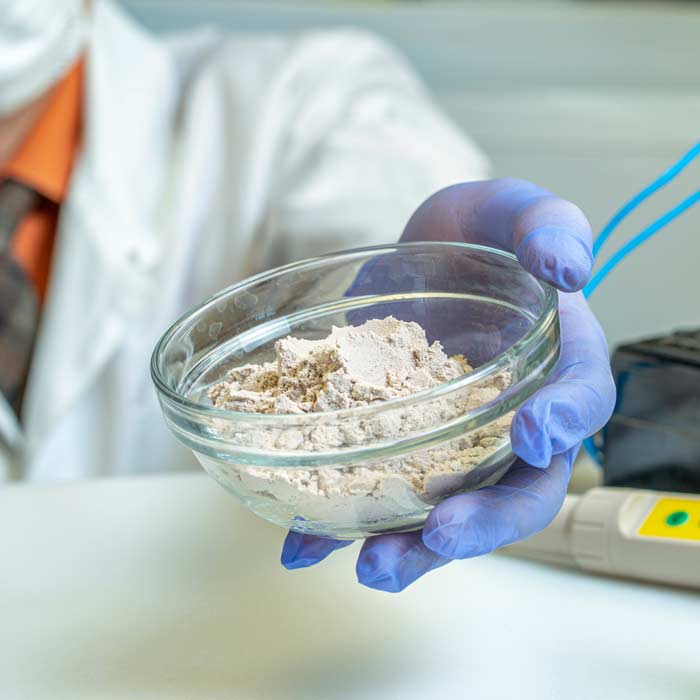
Glycomacropeptide (GMP) is a whey-based peptide released during the cheese making process. It’s low in tyrosine and phenylalanine, making it an ideal protein substitute for Tyrosinemia when combined with other amino acids.1
Why was Tylactin developed?
Because GMP is low in tyrosine and phenylalanine, it is an ideal protein substitute for Tyrosinemia when combined with other amino acids. In 2014, Cambrooke developed Tylactin, the first GMP protein-based formula specifically for the Tyrosinemia community.